


Picture sustainable footwear.
Did your imagination immediately produce a dull sandal, two solemn straps and an unflattering shade? Then comes a price tag that makes your bank account need a moment.
For years, “good for the planet” seemed to come with two unofficial rules: remove the fun and style from footwear and add ₹₹₹. But does responsible open footwear really have to be dull, delicate and dramatically expensive?
Absolutely not. In fact, that myth needs to be recycled.
Welcome to the beige conspiracy
Sustainability is not an aesthetic. A pair of footwear does not become planet-friendly by losing its color or charm.
For open footwear, sustainability concerns the materials used, how the pair is made, how long it remains useful and what happens when its walking days are over. Color has not been arrested and style still has a say.
A 2025 study found that visual appeal and tactile qualities of sustainable products can influence how consumers value them and whether they consider buying them. If people like what they see and feel, the pair has a better chance of making it to checkout.
Style can support sustainability because the bright pair doing airport dashes and brunches beats the worthy sandal serving a life sentence in the cupboard.
Cute is great, but can the sole keep up?
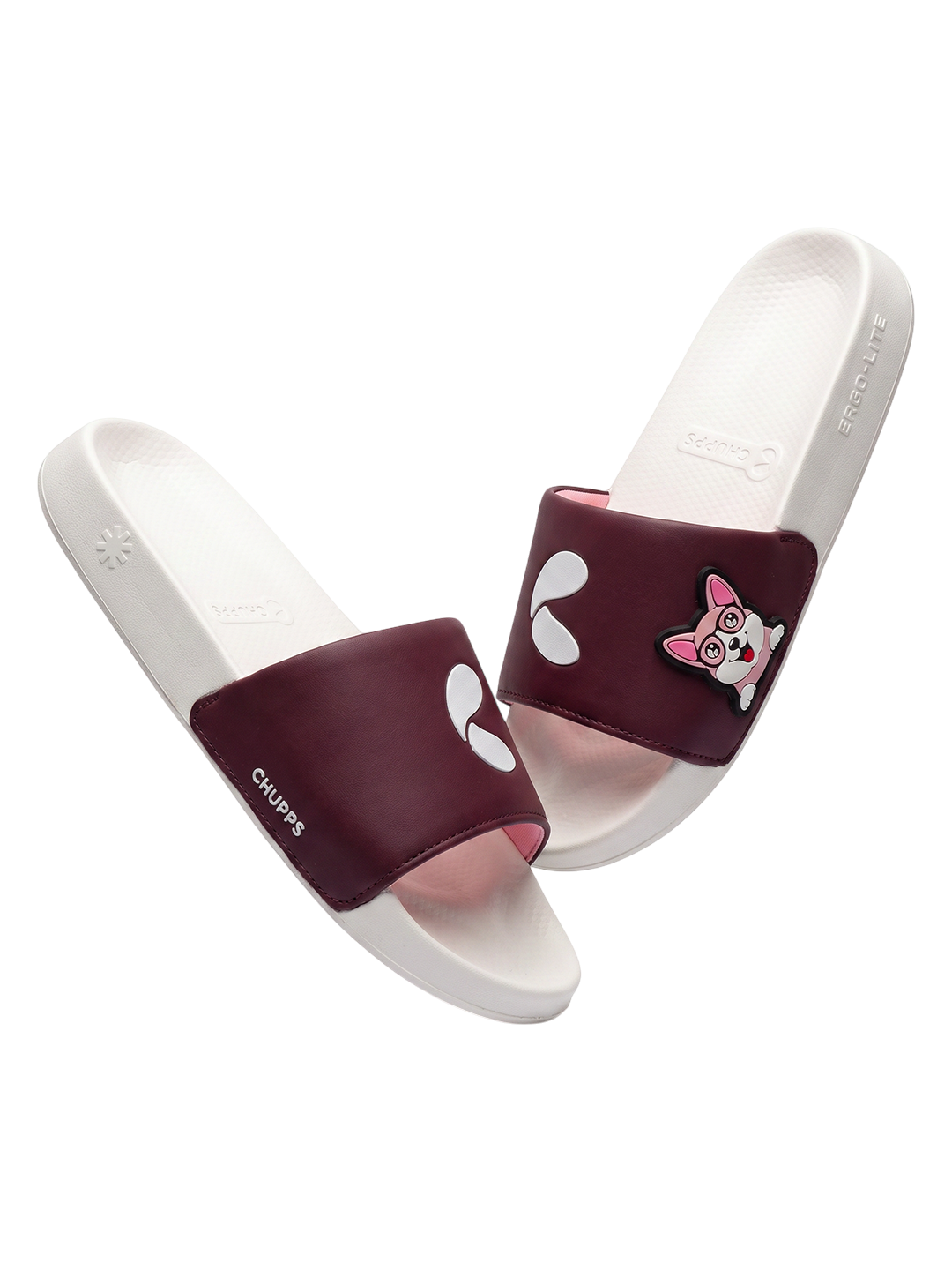
Another stubborn assumption: if a product is sustainable, perhaps it will not perform as well.
Researchers call this “the sustainability liability.” Where strength matters, people may assume greener products perform less effectively. Sandals face sun-baked pavements, wet tiles and that “short walk” which somehow turns into 2.7 kilometers.
Ask the practical questions. Does it grip? Does it flex? Can the straps stay put? Can your toes relax instead of working an unpaid shift?
Fair demands. Sustainability is no excuse for footwear that cannot do its job.
Is that a price tag or a plot twist?

Some sustainable footwear costs more upfront. New materials, smaller production runs and responsible manufacturing practices may push up the price.
A 2024 PwC survey found that consumers said they were willing to pay an average of 9.7% more for sustainably produced or sourced goods. The 2023 OECD analysis adds a reality check: cost and convenience strongly influence greener choices.
Simply put, people care about the planet, but the planet is not paying their UPI bill. Price still has to make sense. If one pair is cheaper but loses its grip and shape, replacing it adds to the bill, whereas another pair costs more but handles errands, holidays and daily detours for much longer.
The answer is not to stick a leaf on the box and charge a premium. The pair has to earn its place through comfort, usefulness and repeat wear.
Recycling footwear is no walk in the park
Footwear can be surprisingly complicated. Research suggests that some footwear can contain more than 60 materials or components, including TPU, EVA, PU, rubber and textiles.
This makes disassembly and recycling far more difficult.
A peer-reviewed 2020 review identifies mixed-material recycling and post-use recovery as challenges for the footwear industry. The European Environment Agency estimates that footwear accounted for 20% of the climate impact linked to EU textile consumption in 2020.
This is why durability, simpler material combinations and better end-of-life options clearly matter.
And this is where CHUPPS steps in
At CHUPPS, we don’t believe responsibility needs a sad color palette or a lack of personality. Open footwear must feel comfortable, look lively and keep up with the plans.
Our biodegradable Chupster range also considers the after-party. Its materials are made to break down under the right conditions after the pair has done its job: no beige tax, no fragile green halo and no sermon attached to the strap.
Sustainable footwear can look good, perform well and stay within budget. Turns out responsible choices have excellent taste.


